
Imagine you've just spent tens of thousands installing a solar panel system, happily selling excess electricity back to the grid, calculating how many years it will take to recoup your investment. Suddenly, one day, the government tells you: you must install an energy storage system by the end of 2027, otherwise you can forget about selling your excess electricity; the grid will only allow you to ...
In the coming years, the global photovoltaic inverter industry will undergo a major restructuring, reflecting a profound reshuffling of the global manufacturing landscape. While the market may experience short-term adjustments, the localization of supply chains and the relocation of production capacity overseas are inevitable trends. The European and American markets are fully implementing ...
Formaldehyde is classified as a Group 1 carcinogen by the World Health Organization. my country's Food Safety Law and Agricultural Product Quality Safety Law explicitly stipulate that formaldehyde is not a food additive and its artificial addition during the harvesting, transportation, and sale of agricultural products is strictly prohibited. Given the obvious violation, why does it persist...
Data from sun.store indicates that in August 2026, prices for solar PV modules in Europe generally declined, while market demand fell below the historical average. Although the price of bifacial TOPCon modules rose by 6% to €0.116/W in August, they remain the most cost-effective choice, particularly for large-scale ground-mounted PV projects. The PV index report notes: "A distinct price gap h...
China will remain the primary destination for module supplies this year, though its market share is set to drop by 12 percentage points—falling from 47% in 2025 to 35% in 2026. This shift mirrors the downward trend in China's installed solar capacity over the past 12 months, following the official implementation of a new pricing reform for grid-connected renewable energy in June 2025. In the...
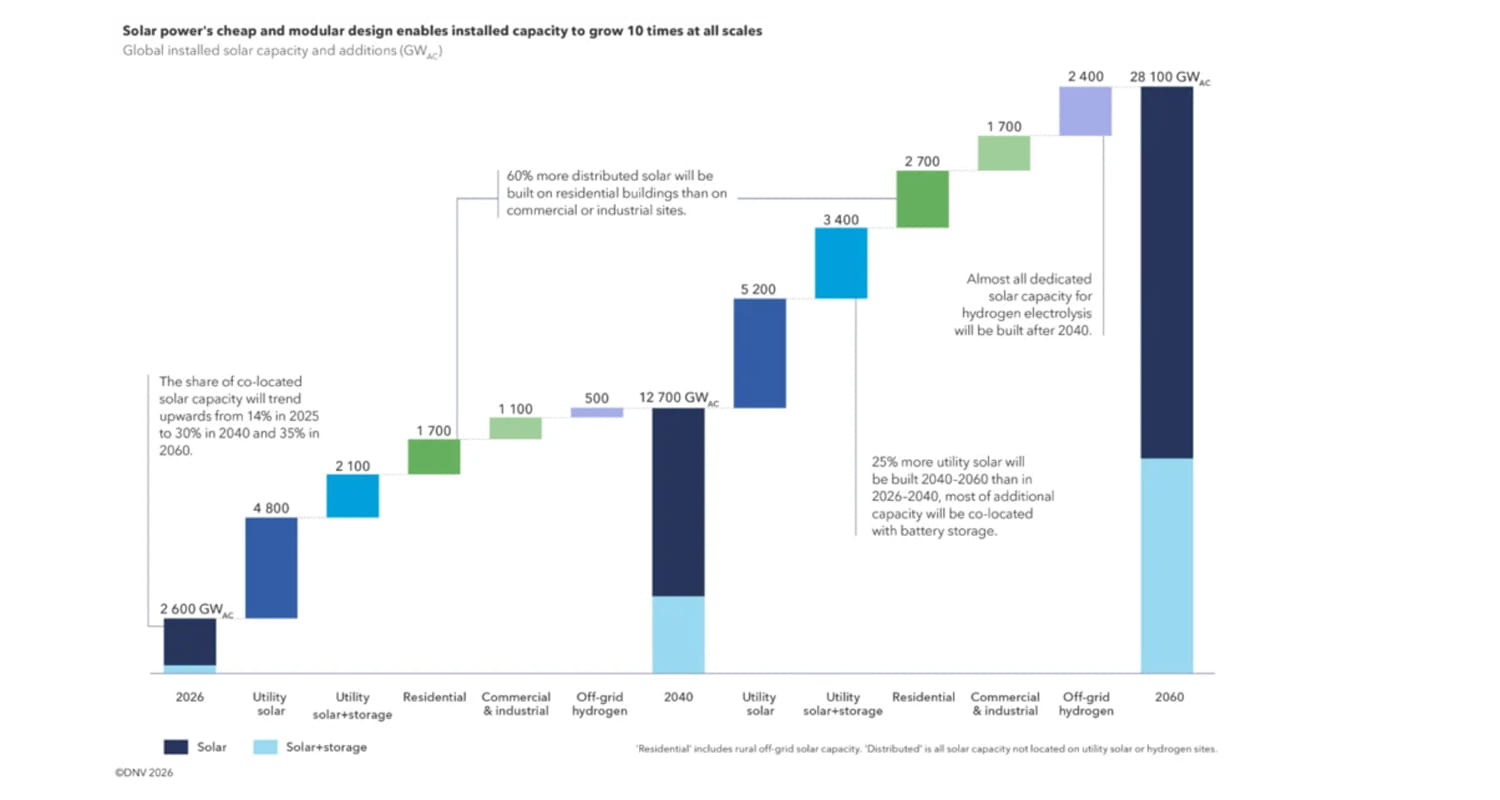
As solar PV continues to grow globally, the technology is set to become the largest contributor to the world’s electricity mix from 2031, according to a report from technical and safety expert DNV. This is one of the highlights from the tenth edition of DNV’s Energy Transition Outlook 2026 report, which puts installed solar capacity in 2025 at 2.6TW. The number is set to double by 2030...
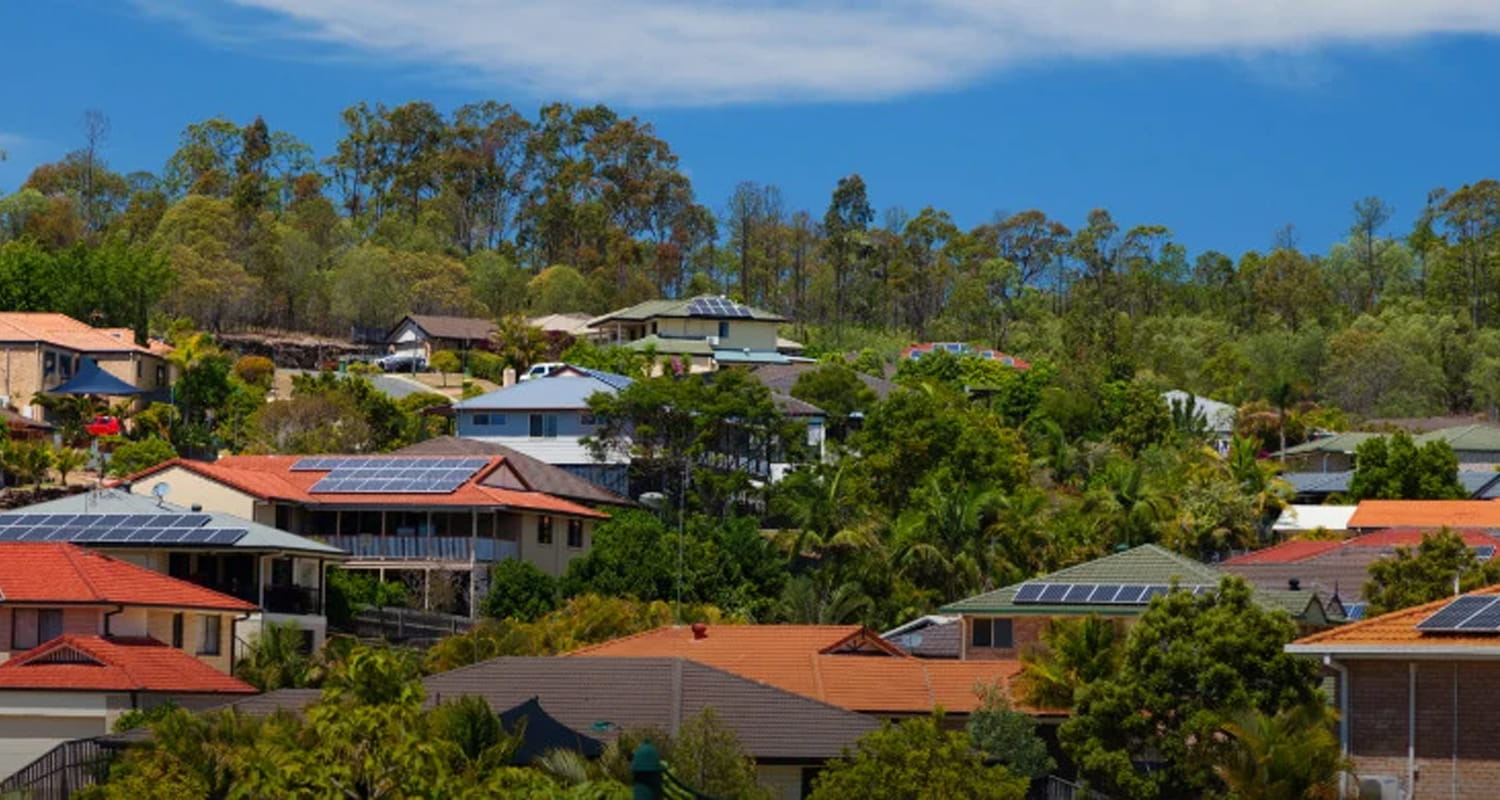
Australia’s rooftop solar sector posted its strongest half-year performance since 2021, with battery storage increasingly riding alongside it. New data from the Clean Energy Council (CEC) shows installers paired a record 153 home batteries for every 100 solar systems in the first half of 2026. The CEC is Australia’s clean energy industry body, and its biannual Rooftop Sol...
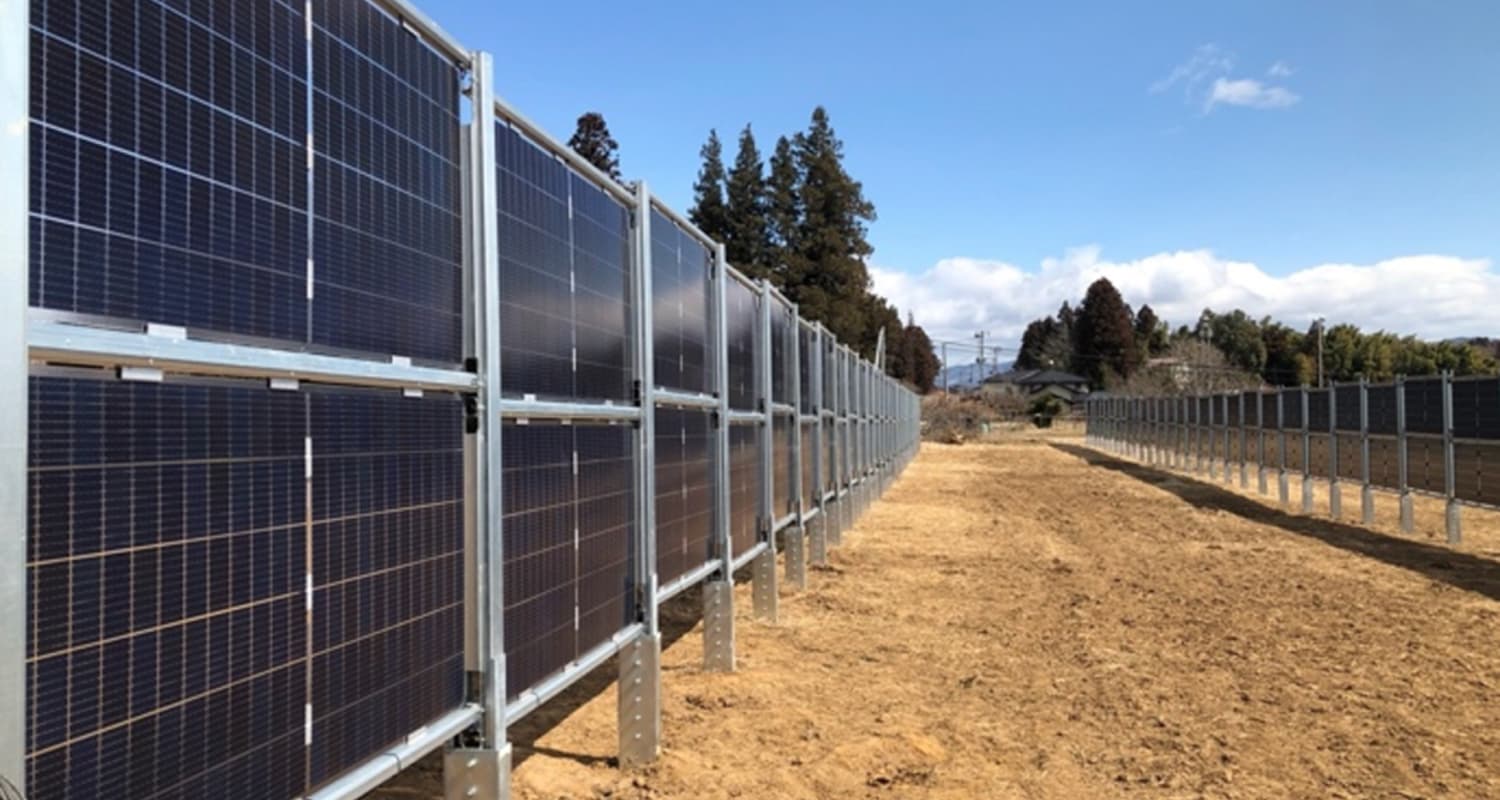
On October 10, a "photovoltaic string"—stretching two to three hundred meters—appeared above a stretch of farmland in Haikou. Dozens, or even hundreds, of bifacial photovoltaic (PV) panels were linked together and suspended vertically in the air. Power output peaks from sunrise until around 9:00 AM, with another surge occurring between 3:00 PM and sunset; conversely, activity dips duri...