
By 2026, large-format 210mm silicon wafers and ultra-high-power modules (exceeding 640W) have become the dominant market standard. Yet, the drive for ever-higher power output has exacerbated a hidden technical conflict: the high currents associated with large-format cells lead to excessive current loads and surging internal resistance losses, placing greater engineering demands on cell-cutting str...
China will remain the primary destination for module supplies this year, though its market share is set to drop by 12 percentage points—falling from 47% in 2025 to 35% in 2026. This shift mirrors the downward trend in China's installed solar capacity over the past 12 months, following the official implementation of a new pricing reform for grid-connected renewable energy in June 2025. In the...
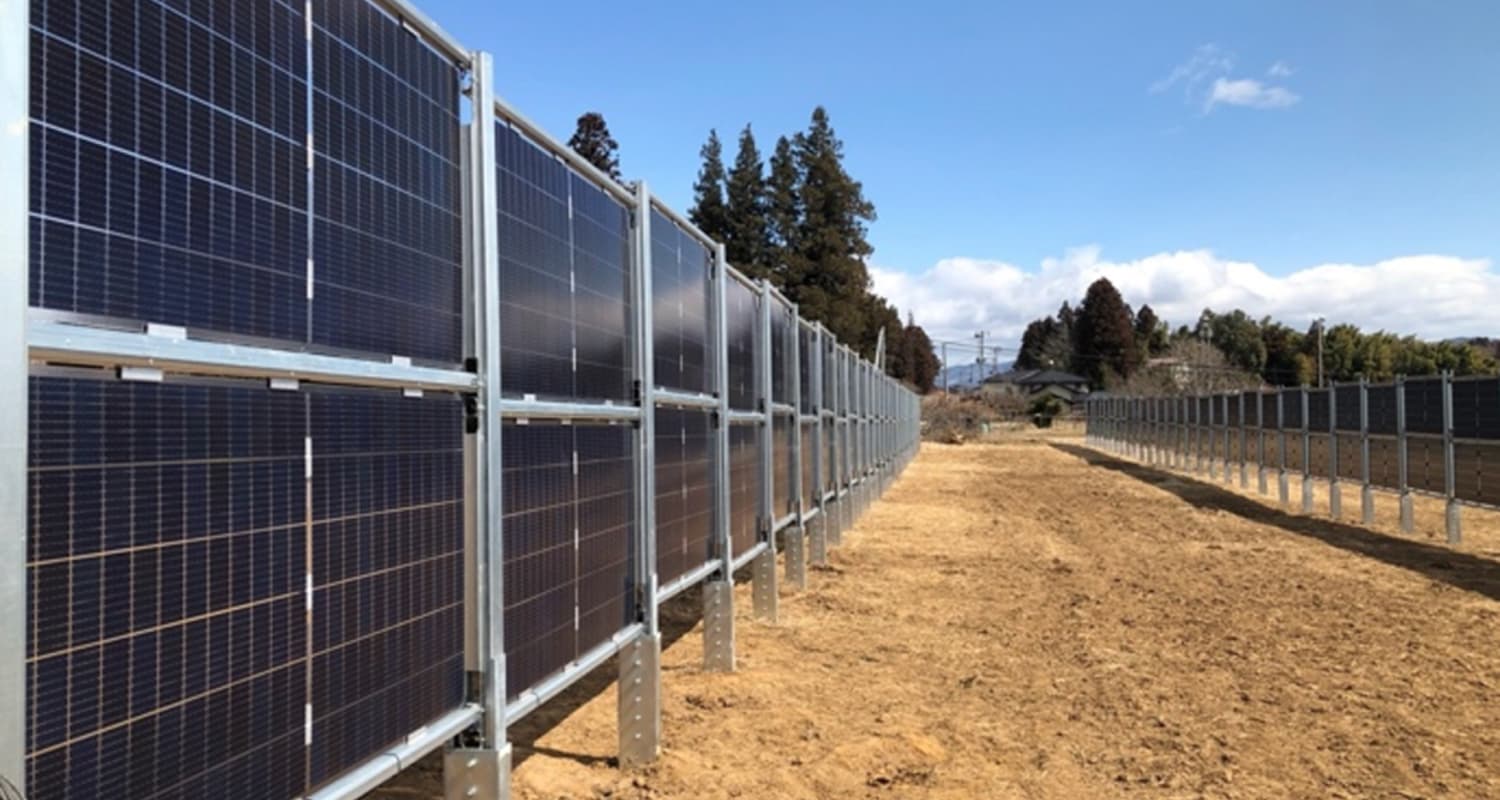
On October 10, a "photovoltaic string"—stretching two to three hundred meters—appeared above a stretch of farmland in Haikou. Dozens, or even hundreds, of bifacial photovoltaic (PV) panels were linked together and suspended vertically in the air. Power output peaks from sunrise until around 9:00 AM, with another surge occurring between 3:00 PM and sunset; conversely, activity dips duri...
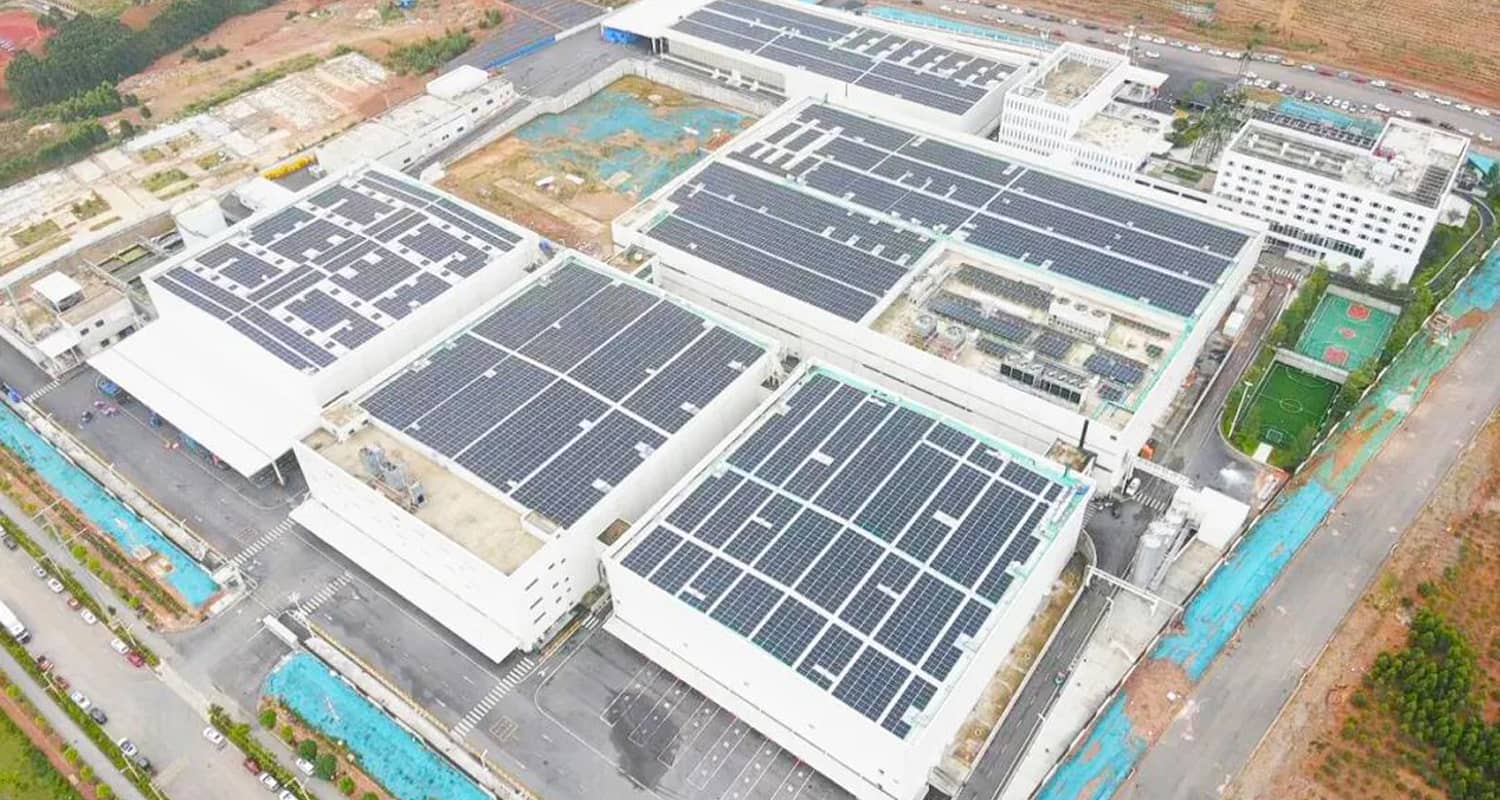
What is Master Kong’s motive behind its foray into photovoltaics (PV)? Recently, the business scope of Master Kong (Chongqing) Instant Food Co., Ltd. was updated to include power generation, power transmission, power supply (distribution), and the leasing of photovoltaic power generation equipment. On the surface, it appears that an instant noodle manufacturer is venturing into the PV sector...
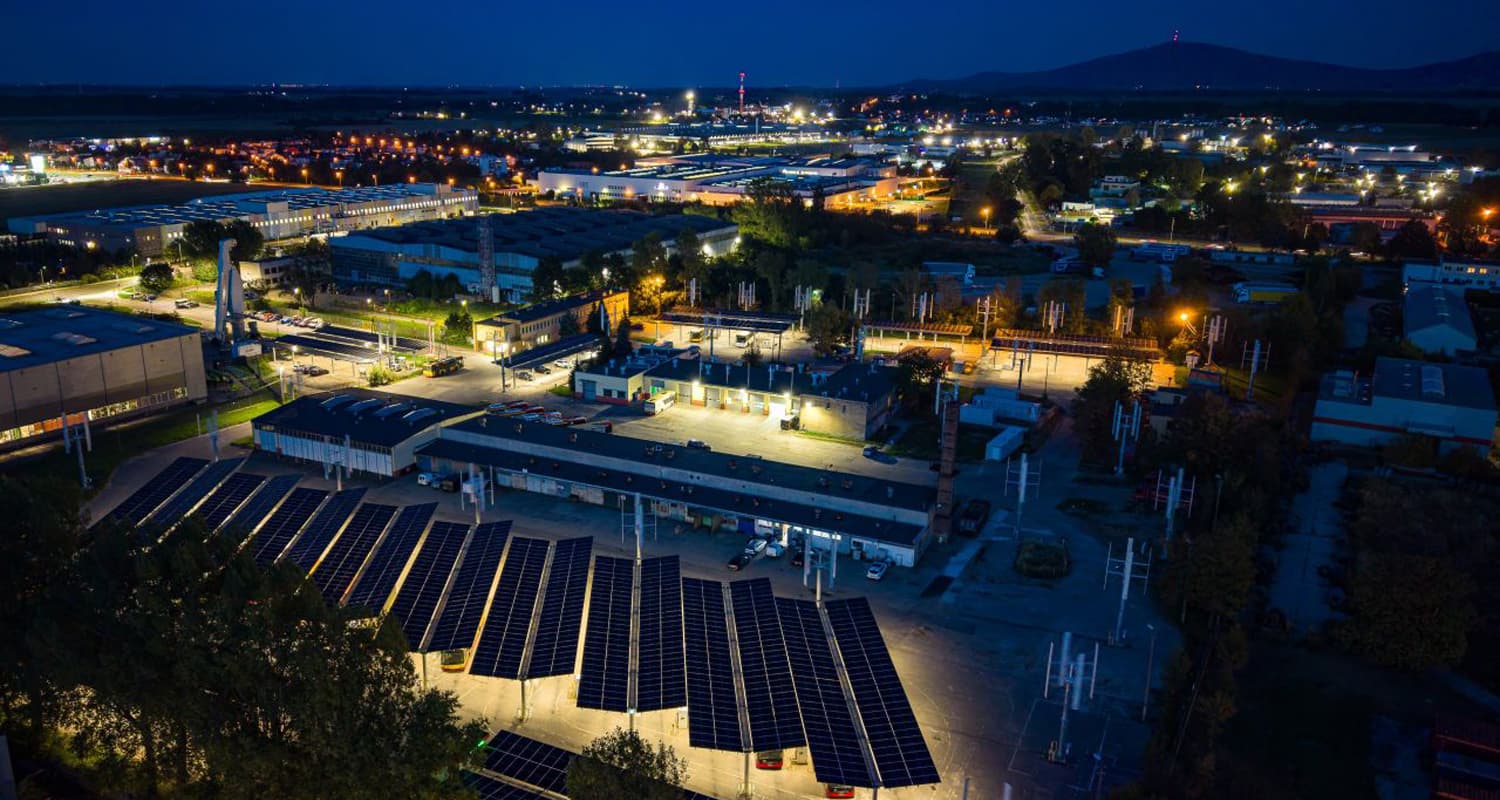
After operating for over a decade and subsequently sitting idle for several years, a former gas station has been transformed into a "solar-storage-charging" supercharging hub. With an investment of 80 million yuan and spanning 40 mu (approximately 2.67 hectares), the facility features a 5 MW solar power installation and 60 charging piles, offering a uniform pricing structure for both large and sma...