
Data from sun.store indicates that in August 2026, prices for solar PV modules in Europe generally declined, while market demand fell below the historical average. Although the price of bifacial TOPCon modules rose by 6% to €0.116/W in August, they remain the most cost-effective choice, particularly for large-scale ground-mounted PV projects. The PV index report notes: "A distinct price gap h...
By 2026, large-format 210mm silicon wafers and ultra-high-power modules (exceeding 640W) have become the dominant market standard. Yet, the drive for ever-higher power output has exacerbated a hidden technical conflict: the high currents associated with large-format cells lead to excessive current loads and surging internal resistance losses, placing greater engineering demands on cell-cutting str...
China will remain the primary destination for module supplies this year, though its market share is set to drop by 12 percentage points—falling from 47% in 2025 to 35% in 2026. This shift mirrors the downward trend in China's installed solar capacity over the past 12 months, following the official implementation of a new pricing reform for grid-connected renewable energy in June 2025. In the...
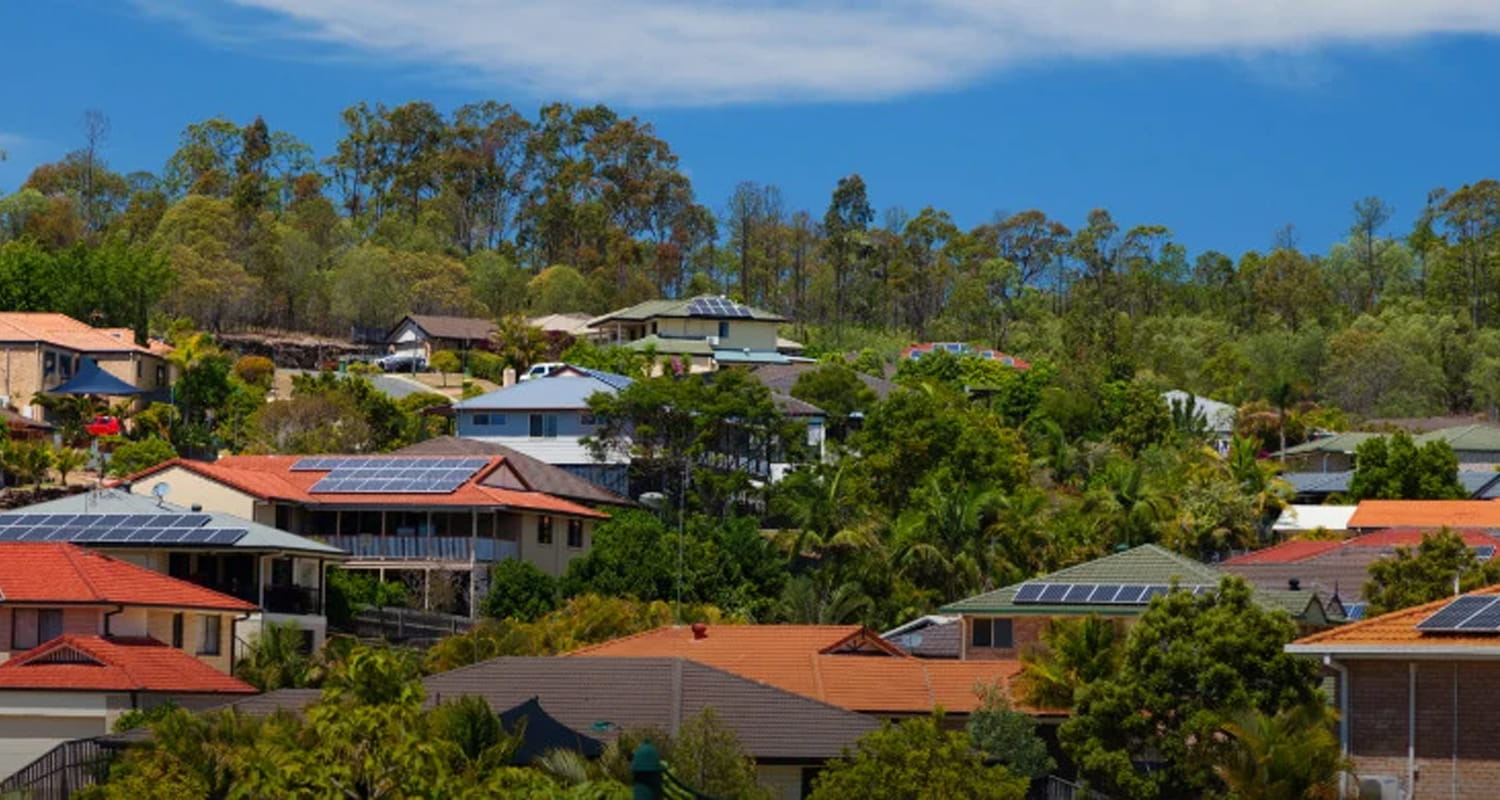
Australia’s rooftop solar sector posted its strongest half-year performance since 2021, with battery storage increasingly riding alongside it. New data from the Clean Energy Council (CEC) shows installers paired a record 153 home batteries for every 100 solar systems in the first half of 2026. The CEC is Australia’s clean energy industry body, and its biannual Rooftop Sol...
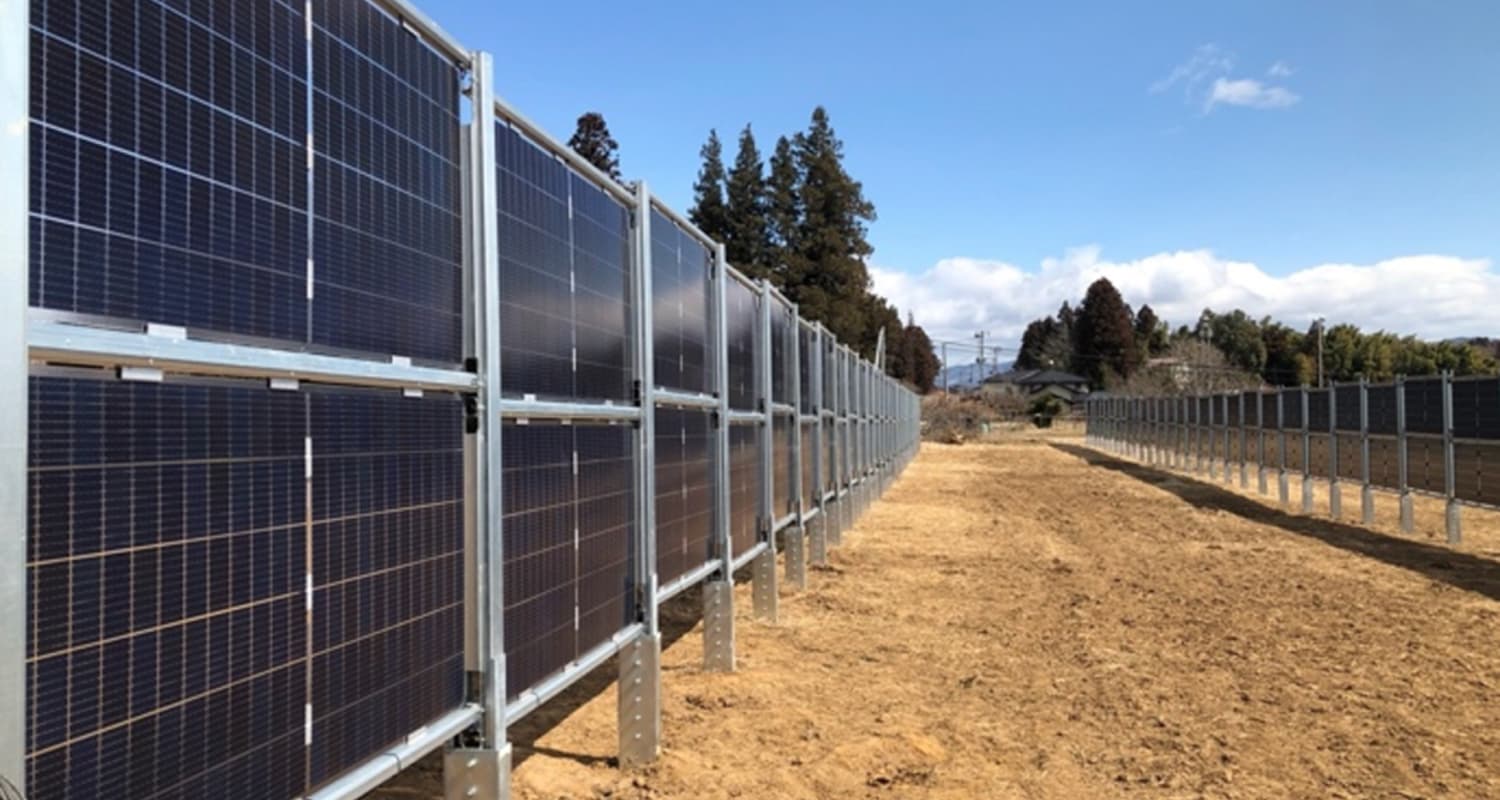
On October 10, a "photovoltaic string"—stretching two to three hundred meters—appeared above a stretch of farmland in Haikou. Dozens, or even hundreds, of bifacial photovoltaic (PV) panels were linked together and suspended vertically in the air. Power output peaks from sunrise until around 9:00 AM, with another surge occurring between 3:00 PM and sunset; conversely, activity dips duri...